What Gaza's Children Wish Their Future to Look Like
What Gaza's Children Wish Their Future to Look Like
Rewritten from a UN News article published 24 February 2026.
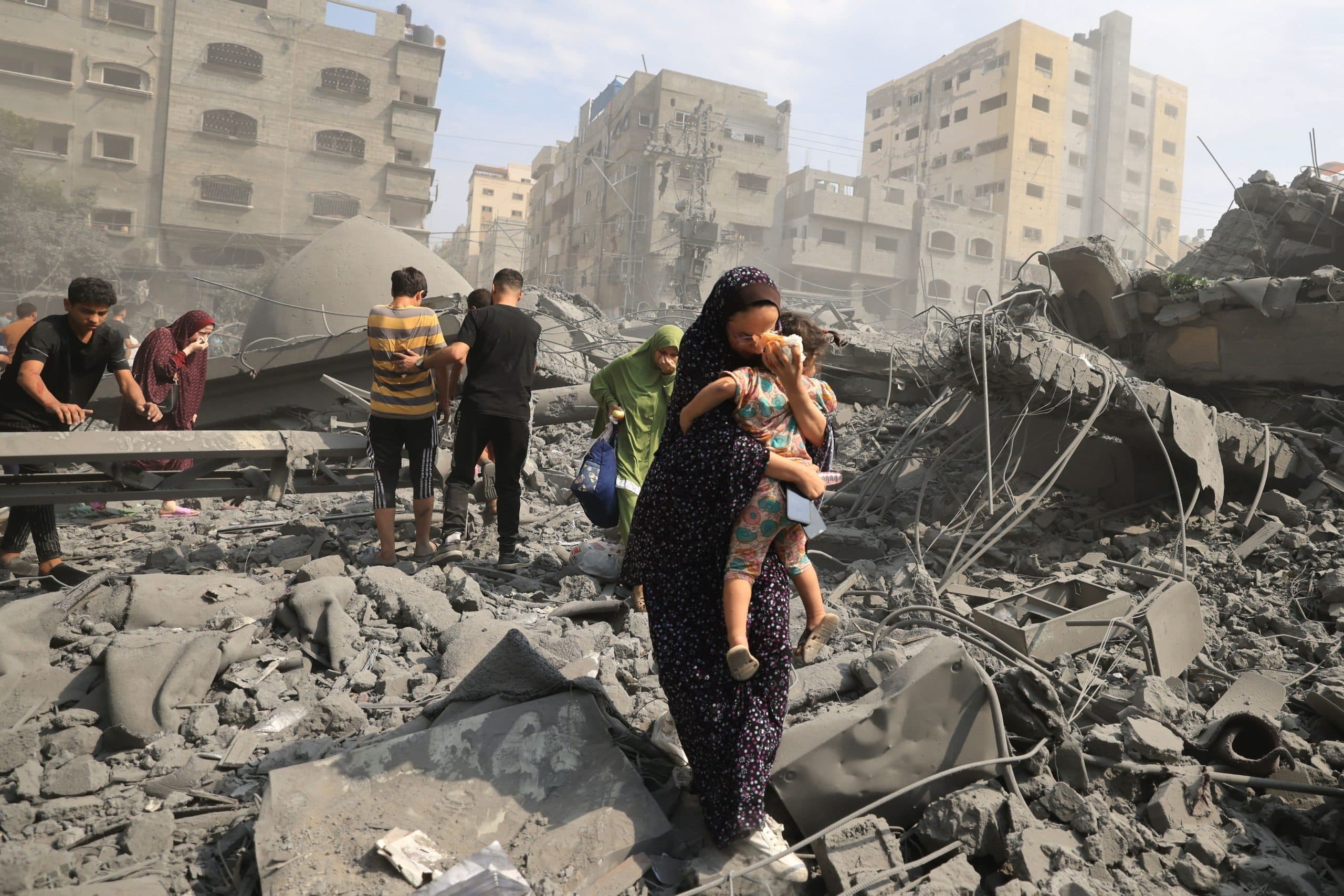
Across Gaza, children have been picking up pencils, writing poems and building small models out of wartime debris to describe the place they hope to grow up in. Their work is part of The Gaza We Want, a UNICEF-backed initiative that gives young people a chance to speak about how their homeland should be rebuilt.
A project built around children's voices
More than 11,000 children between the ages of five and 18 have joined in, among them children living with disabilities. Participants were invited to picture a life with dignity and to put their ideas on paper or into handmade creations. The territory has been devastated since the war between Hamas and Israel began in October 2023.
Jonathan Crickx, who leads communications for UNICEF in the Palestinian territory, spoke to reporters in Geneva about the effort. He said it underlines why children should have a lasting and genuine role in decisions about Gaza's future.
What the children asked for
The priorities were remarkably consistent. In order, children pointed to:
- A safe place to live and shelter from danger
- Proper schools with roofs, walls and working toilets
- Hospitals and mental health support
- Spaces to play, where they can win back some of what the conflict took from them
Crickx noted that when so many children separately sketch tidy streets, classrooms and parks, the pattern is deliberate. In his words, it is an appeal aimed at the entire world, and the things being asked for are simply the basics of any childhood.
He added that what children want most is something ordinary: to sleep through the night and walk to school without being afraid. He said he had met many children whose injuries had healed but whose fear remained.
Meeting Hala
Crickx described a 15-year-old girl named Hala, whom he met at a temporary learning centre in Deir Al-Balah, in central Gaza. Having gone months without classes, her schooling has suffered. Even so, she holds on to a clear picture of what she wants: a secure home, a bedroom of her own and a good school.
A ceasefire has been in force since last October, yet reports indicate that over 135 children have still been killed in Gaza since it began. UNICEF argues that any reconstruction plan worth trusting has to begin by listening to children. Crickx warned that a recovery that shuts them out would let down both the children and Gaza itself, and said their descriptions reflect a Gaza they have every right to grow up in.
Humanitarian aid continues
Alongside the initiative, UN agencies are still delivering help to displaced families, including fresh bread, hot meals and digital cash payments.
The UN humanitarian coordination office, OCHA, reported several other developments:
- Water: Trucked deliveries of drinking water have been increased after a major pipeline linking Gaza to Israel went offline roughly two weeks earlier, when two leaks were found.
- Sanitation: The UN and its partners are working to repair pumping stations damaged or destroyed during the war. Overflowing sewage can contaminate water supplies and spread disease, which makes this repair work urgent.
- Health care: Two new clinics offering screening for non-communicable diseases have opened in North Gaza. Supplies of medicines and laboratory materials remain badly short, especially for cancer and heart conditions.
Source: UN News, "'I dream of a safe life': Gaza's children share the future they want" (24 February 2026). This is a reworded version for personal use; refer to the original for the authoritative text.