Islam Perspective About Cats
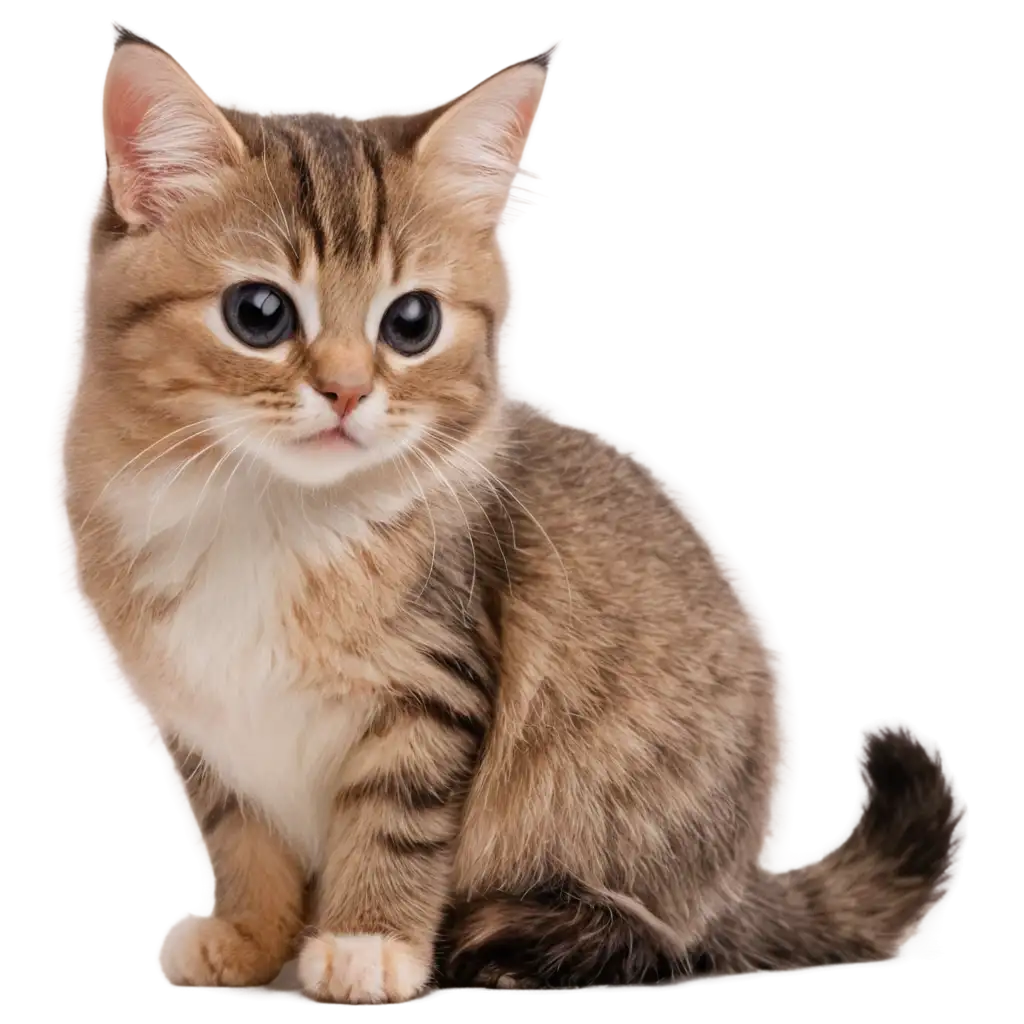
In Islam, cats are regarded with great respect and kindness. They are considered clean animals and are allowed to enter homes and even mosques. The Prophet Muhammad ﷺ (peace be upon him) showed deep affection and mercy toward cats, and there are several authentic and well-known stories from Islamic tradition that highlight this.
Cats in Islamic Tradition:
Cleanliness:
Cats are considered ṭāhir (clean) in Islam. It's permissible to pray in a place a cat has walked or sat, and even drink from the same water a cat has drunk from. According to a hadith:“They (cats) are not impure; they are of those who go around among you.”
— Sunan Abu Dawood 75Mercy of the Prophet ﷺ toward cats:
The Prophet Muhammad ﷺ was known for his gentle and merciful treatment of animals, including cats. He instructed his companions to be kind to all living creatures and specifically condemned cruelty to animals.
Did the Prophet Muhammad ﷺ Have a Pet Cat?
Yes, Islamic tradition often mentions that the Prophet Muhammad ﷺ had a favorite cat named Muezza (sometimes spelled Mu‘izza). While the specific name "Muezza" and some popular stories are not found in primary hadith collections, they are widely shared in Islamic culture and folklore.
One famous story goes:
The Prophet ﷺ was once performing ablution (wudu) at home, and Muezza was sleeping on the sleeve of his robe. Rather than disturb her, the Prophet ﷺ gently cut off that portion of the sleeve and let her continue sleeping. Later, when Muezza woke up, he stroked her three times, a gesture of his affection.
Although this specific story is not recorded in the six major hadith collections (Sahih Bukhari, Sahih Muslim, etc.), it aligns with the general Islamic ethos of compassion toward animals.
Key Takeaways:
Cats are respected and cherished in Islam.
They are considered ritually clean, and their presence does not nullify prayer.
Prophet Muhammad ﷺ demonstrated kindness toward cats, which Muslims are encouraged to emulate.
Stories of Muezza reflect Islamic values even if not strictly sourced from sahih (authentic) hadith.